

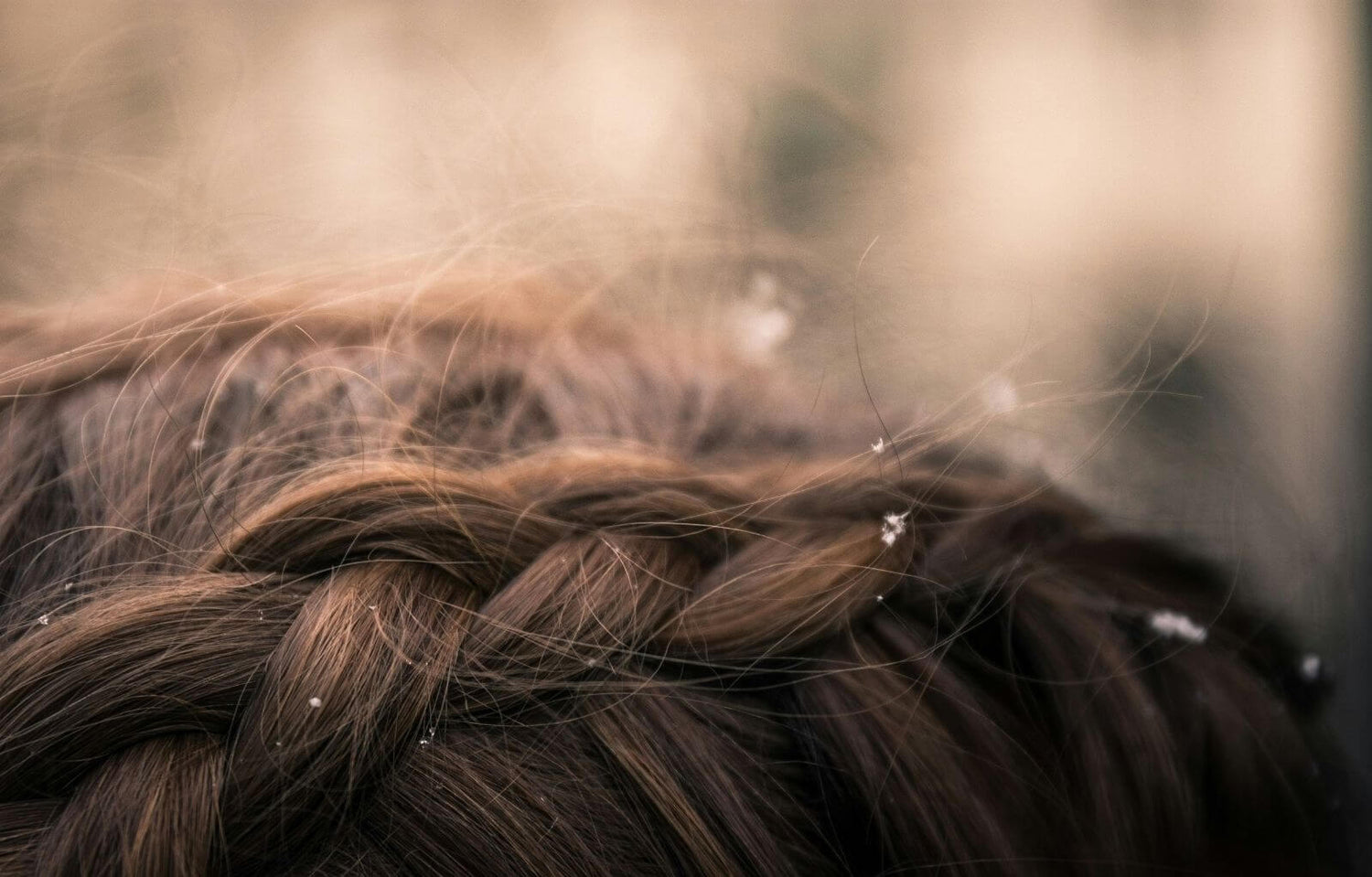
If you’ve ever noticed white flakes on your shoulders or felt an uncomfortable tightness on your scalp, you’re not alone. Scalp issues are one of the most common—yet most misunderstood—beauty and wellness concerns.
Many people use the terms dandruff and dry scalp interchangeably. In reality, they are two very different conditions, caused by different factors and requiring different care approaches. Treating the wrong one can actually make symptoms worse.
In this guide, we’ll break down the real difference between dandruff and dry scalp, explain why so many people confuse the two, and share practical, science-backed ways to restore a healthy, balanced scalp—without overcomplicating your routine.

Why Scalp Health Matters More Than You Think
Your scalp is skin—just like the skin on your face. It has oil glands, a microbiome, and a natural barrier that protects it from irritation and moisture loss. When that balance is disrupted, flakes, itchiness, redness, and discomfort quickly follow.
More importantly, scalp health directly affects hair quality. A stressed or inflamed scalp can interfere with the hair growth cycle, leading to increased shedding, breakage, and dull-looking hair over time.
Understanding what your scalp actually needs is the first step toward long-term improvement.
Dry Scalp vs. Dandruff: The Core Difference
At first glance, both conditions look similar—flakes, itchiness, and discomfort. But what’s happening beneath the surface is very different.
What Is a Dry Scalp?
Dry scalp occurs when the skin on your scalp lacks sufficient moisture. This is similar to dry skin anywhere else on your body.
Common causes include:
- Cold or dry weather
- Overwashing or harsh shampoos
- Hot showers
- Aging skin
- Dehydration
- Environmental stress (wind, indoor heating, air conditioning)
Typical signs of dry scalp:
- Small, white, dry flakes
- Tight or “pulling” sensation
- Mild itchiness
- No redness or oiliness
- Scalp feels better shortly after moisturizing treatments
Dry scalp is essentially a hydration issue, not an oil or fungus problem.

What Is Dandruff?
Dandruff is a chronic scalp condition linked to excess oil production and an imbalance of the scalp’s natural yeast, particularly Malassezia. When oil levels increase, this yeast can overgrow, causing inflammation and accelerated skin cell turnover—resulting in visible flakes.
Common triggers include:
- Oily scalp
- Hormonal changes
- Stress
- Infrequent shampooing
- Certain styling products
- Sensitivity to scalp microbiome changes
Typical signs of dandruff:
- Larger, yellowish or white flakes
- Greasy or oily scalp
- Persistent itching
- Redness or irritation
- Flakes that return quickly after washing
Dandruff is not caused by dryness—it’s a regulation and balance issue.

Why So Many People Treat the Wrong Condition
The biggest reason dandruff and dry scalp are confused is simple: flakes look the same at first glance.
Many people see flakes and immediately reach for the strongest anti-dandruff shampoo they can find. While that may help dandruff, it can significantly worsen dry scalp by stripping away even more moisture.
On the other hand, heavy oils or rich masks meant to “hydrate” a dry scalp can feed dandruff-related yeast and make flaking worse.
The key is understanding which condition you’re dealing with—and adjusting your care accordingly.
How to Tell Which One You Have
Ask yourself these questions:
- Does your scalp feel oily a day after washing? → Likely dandruff
- Do flakes improve after moisturizing treatments? → Likely dry scalp
- Is itching persistent and intense? → More common with dandruff
- Do flakes appear larger and stick to hair strands? → Dandruff
- Does your scalp feel tight, especially in winter? → Dry scalp
If symptoms fluctuate, it’s also possible to experience both conditions at different times, especially during seasonal changes.
How to Treat a Dry Scalp Effectively
Treating dry scalp is about restoring moisture and protecting the skin barrier, not aggressively cleansing.
1. Use Gentle, Hydrating Shampoos
Avoid harsh sulfates and frequent washing. Look for formulas designed for sensitive or dry scalps.
2. Reduce Heat Exposure
Hot water strips natural oils. Use lukewarm water when washing your hair.
3. Support Scalp Hydration
Lightweight scalp serums or soothing treatments can help restore comfort without clogging pores.
4. Improve Scalp Circulation Gently
Stimulating blood flow helps deliver nutrients and supports scalp health—without irritation.
Devices like the TOUCHBeauty VITA Laser Comb & Scalp Massager combine gentle massage with low-level light technology to encourage circulation and create a healthier scalp environment, especially for dryness linked to stress or reduced scalp vitality.

5. Be Patient
Dry scalp improves gradually. Consistency matters more than intensity.
How to Treat Dandruff Properly
Dandruff requires a more targeted approach—but not an aggressive one.
1. Use Targeted Anti-Dandruff Products
Look for shampoos formulated to rebalance the scalp environment rather than simply stripping oil.
2. Wash Regularly—but Not Excessively
Skipping washes can allow oil buildup, while overwashing can trigger rebound oil production.
3. Avoid Heavy Oils on the Scalp
Rich oils may soothe temporarily but can worsen flaking in dandruff-prone scalps.
4. Reduce Stress
Stress affects oil production and the scalp’s microbiome. Managing stress can noticeably improve dandruff over time.
5. Support Scalp Balance with Technology
Advanced scalp-care tools, such as far-infrared or low-level light therapy devices, can help calm inflammation and support long-term balance when used consistently.

The Role of Scalp Massage and Light Therapy
Modern scalp care goes beyond shampoo alone. Research increasingly supports the role of gentle stimulation and light-based technology in maintaining scalp health.
Scalp massage:
- Improves blood circulation
- Reduces tension
- Helps distribute natural oils evenly
- Enhances relaxation and stress relief
Low-level light therapy:
- Supports cellular activity
- Encourages healthier scalp conditions
- Complements both dry scalp and dandruff routines when used appropriately
The key is consistency and moderation—not overuse.

Daily Habits That Make a Real Difference
Regardless of your scalp condition, these habits support overall scalp wellness:
- Avoid scratching (even when itchy)
- Clean brushes and tools regularly
- Limit heavy styling products on the scalp
- Stay hydrated
- Protect your scalp from extreme weather
- Treat your scalp as an extension of your skincare routine
Healthy scalps rarely come from one product alone—they’re built through small, repeatable habits.
Recommended Scalp Care Tools to Support a Healthy Scalp in 2026

If you’re dealing with dry scalp, dandruff, or just want to maintain scalp wellness as part of your beauty routine, incorporating the right tools can make a meaningful difference. These devices are designed to complement your cleansing and treatment steps—soothing irritation, improving circulation, and creating conditions where healthy skin and hair thrive.
TOUCHBeauty VITA Laser Comb & Scalp Massager
Best for: Oily scalp, dandruff-prone conditions, scalp circulation support
This handheld scalp massager delivers gentle vibrations and low-level laser stimulation to the scalp. Regular use can help support scalp balance by improving microcirculation and relaxing tension. For those experiencing flaking due to oil imbalance or dandruff triggers, this device encourages a calmer environment that traditional shampoos alone can’t achieve.
✔ Gentle daily use
✔ Helps distribute natural oils more evenly
✔ Great for stress-related scalp discomfort
Tip: Use on dry hair before shampooing to help loosen buildup and prepare the scalp for a deeper cleanse.

When to Seek Professional Advice
If flaking is severe, painful, or accompanied by hair loss or persistent redness, it may be time to consult a dermatologist. Conditions like psoriasis or eczema can mimic dandruff and require professional diagnosis.
Final Thoughts: Balance Over Aggression
The most important takeaway is this: flakes are a symptom, not the root problem.
Dry scalp needs hydration and barrier repair.
Dandruff needs balance and regulation.
When you treat the right condition with the right approach—and give your scalp time to recover—you’ll often see improvement not just in comfort, but in hair quality, shine, and confidence as well.
Healthy hair doesn’t start with styling.
It starts at the scalp.


Laisser un commentaire
Tous les commentaires sont modérés avant d'être publiés.
Ce site est protégé par hCaptcha, et la Politique de confidentialité et les Conditions de service de hCaptcha s’appliquent.